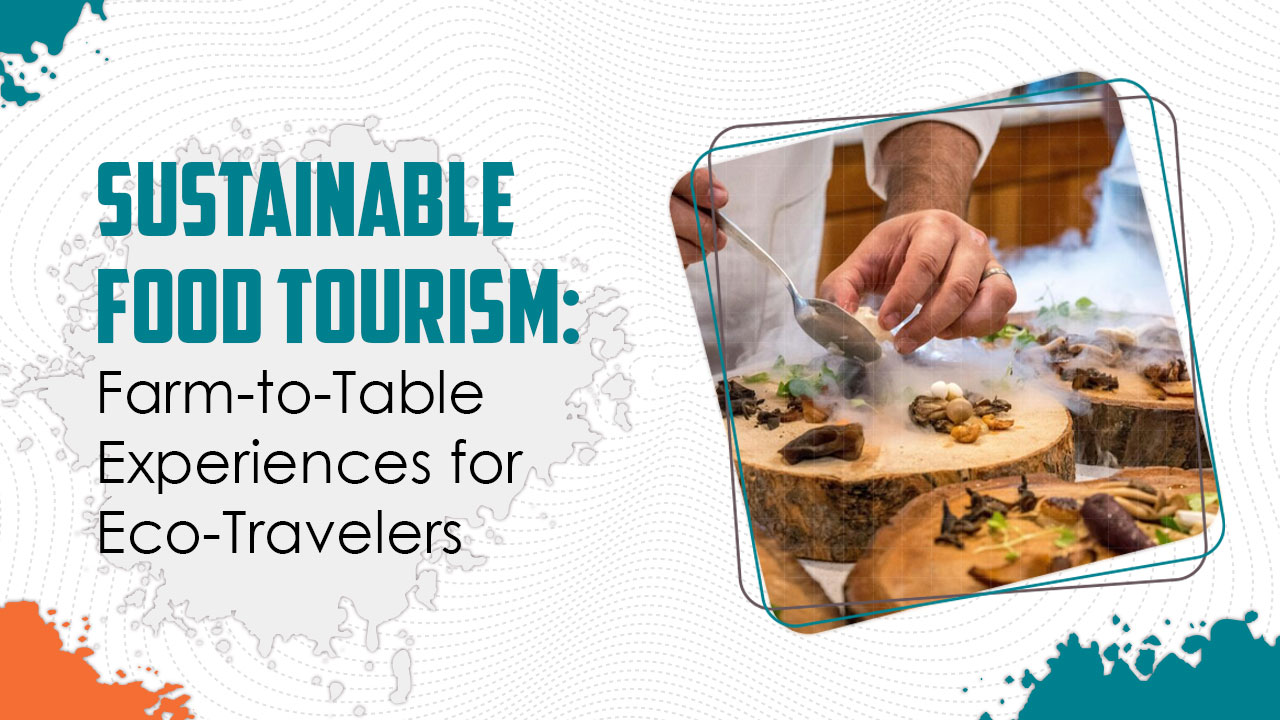
Sustainable Food Tourism Farm To Table Experiences For Eco Travelers
Introduction
Food sustainability tourism is becoming the eco-travel center of today. For discerning destination hoppers, who put value on deep and meaningful experiences, farm-to-table trips allow them to enjoy natural flavors while also remaining respectful of the environment, supporting local farmers and maintaining cultural traditions.
You can browse https://rrhasija.com/eco-tourism-in-india-how-it-shapes-our-travel-culture-future to learn about Eco-tourism.
In this blog, we will discuss the reasons why sustainable food tourism is important, share some of our best farmers’ market and farm-to-table experiences around the world, and how you too (with some helpful sustainable travel tips for food lovers up your sleeve) can ensure that eating sustainably while abroad doesn’t make your trip a pile of stress.
What Is Sustainable Food Tourism?
Sustainable food tourism is conscious travel through local, seasonal or ethically produced food. Instead of imported products or mass-produced meals, visitors connect with local producers, small-scale farms and chefs who put sustainability front and center.
Sustainable food tourism supports:
- Local farming
- Biodiversity and Soil Protection
- Biological farming
- Preservation of cultural food
- Ethical Consumption
- Carbon-neutral travel alternatives
In following such guidelines, tourists are treated to a more authentic travel experience with a minimized carbon impact.
The Relevance of Farm-to-Table Events for Eco-Travel
Farm-to-table tourism gives consumers a direct connection with the land, the producer, and the ingredients that make up local cuisine. The importance of this has been brought to the forefront by the rise of sustainable travel, with the following reasons at its root:
1. Boosts Local Economy
"Farm-to-table" is a great way for small farmers, artisans, and even locally run businesses to thrive. By choosing "farm-to-table" options when traveling, tourists are voting with their spending money, deciding to support locally owned businesses over giant food conglomerates, which is one of the best ways to support "Low impact" tourism.
2. Reduces Environment Effect
The foods from locally produced sources cut the carbon emissions from transporting the foods over long distances. Even most eco-farms that exist are known to use renewable energy, composting, crop diversification, and water conservation, which are ideal for a carbon-neutral traveler.
3. Fights Food Waste
This is especially true in farm-to-table restaurants, where most use the
- Zero-waste kitchens
- Plastic-free storage solutions
- Composting systems
- Food upcycle methods
Such eco-friendly practices contribute to minimizing overall environment footprints.
4. Culinary Heritage Preservation
The use of local restaurants and preparation methods helps to preserve culinary traditions that might be threatened by industrialization. Interacting with farmers and chefs helps to end assimilation because it is a culturally rich activity.
Why Sustainable Food Tourism Matters?
Next time you travel, think about where and how you eat.
Sustainable food tourism isn’t just about enjoying fresh, local produce; it's a climate action.
- 34% of global greenhouse-gas emissions originate from the food system. FAO
- Meanwhile, food waste alone accounts for 8–10% of global emissions, according to the World Resources Institute. World Resources Institut
- By visiting regenerative farms, eco-travelers can support practices that sequester 2–4 tonnes of CO₂e per hectare per year, helping draw down carbon. (Rodale Institute data)
- Even the hospitality sector has a role. It contributes roughly 1% of global CO₂ emissions, but with efficiency and renewable energy, that could be cut by half by 2030. World Sustainable Hospitality Alliance
- In India, a major travel destination, per capita food waste is about 50 kg per year, putting the country among the top waste generators. Times of India
These numbers highlight how a simple decision to dine farm-to-table can become a powerful step toward reducing environmental impact.
Top Farm-to-Table Experiences Around the World
If you want to explore the best green travel destinations, these regions shine in sustainable food tourism:
1. Italy
Italy has established itself as a pioneer of agritourism. The country is home to many eco-farms where travellers can learn how to make cheese, tour vineyards, and enjoy meals that explain farm to table.
2. Japan
In Japan, seasonal eating is very important and is referred to as "shun". Whether it's checking out a tea plantation in Uji, or taking part in an organic rice farm in Niigata, Japan promotes "Zero Waste Travel" and minimal waste "shun" cuisine like Kaiseki (a multi-course Japanese dinner that focuses on food prepared with a unique focus). The relationship between the land and food is promoted in a sustainable way.
3. Costa Rica
Costa Rica has gained world-wide recognition for promoting sustainable tourism practices, utilizing renewable sources for energy, and preserving the diversity of plant and animal life. Eco-lodges in Costa Rica often feature restaurant-style farm to table dining experience with all local ingredients sourced from their on-site gardens. They are perfect for eco travellers whose carbon footprint is as low as possible.
4. Kerala, India
Kerala is famous for its spice plantations, rice paddies, and organic homestays; and allows you to explore all three through an eco-friendly approach to culinary travel. Many eco-homestays in this area utilise solar power for heating, plastic-free utensils, and plant-based vegetarian meals sourced directly from their gardens.
5. New Zealand
New Zealand is one of the best nurturers of sustainable farming practices, including methods for conserving soil, managing livestock ethically, and utilizing renewable energy sources. The country's wine-growing regions to the many organic orchard farms all provide Eco-friendly holiday destinations for the Green travel community. 41.59%
Why Are Eco-Travelers Choosing Farm-to-Table Tourism?
Authentic Experiences
With globalization multiplying and spreading, travelers are looking for an authentic experience of what makes a destination special; an example of this is farm-to-table tourism, which allows consumers to connect directly to a region's heritage and culture through local farming practices and traditional methods of cooking using native products.
Awareness of the Environment
Travelers who are environmentally conscious are also aware of how their food travels around the world, the amount of waste that it produces and the distance at which it has been produced (the cattle raised in Argentina could end up on the diners' plates in the United States). Many of them now seek out and are willing to pay for sustainable tourism options that promote environmentally responsible consumption and the development of a sustainable food movement.
Supporting Local Communities
When travelers choose to patronize small-scale farms or community-based experiences, they are putting their money into the communities in which they travel, and therefore helping to support local farmers, food producers, food artisans, cooperatives, and rural communities that depend upon the agriculture industry for survival and a decent standard of living.
Holistically Healthy
Eating fresh, organic, and chemical-free food is not only healthier for you; it has also been proven to make you feel better. Travel experiences that emphasize slow, mindful eating practices such as those promoted by Farm-to-Table Tourism promote Nature Connection and Mental Wellness, which is a key reason that eco-travelers are choosing farm-to-table tourism.
Ways for Eco-Tourists to Practice Sustainable Food Tourism
Here are the essential Sustainable travel tips that would assist you in making your farm-to-table journey more eco-friendly:
- Use Local Ingredients
- Carry Reusables
- Encourage Organic & Regenerative Farms
- Choose Low-Impact Transport for Food Tours
- Eat at Zero-Waste Restaurants
- Stay in Eco-Friendly Accommodations
These accommodations embody Green travel destinations principles. 55.49%
The Future of Sustainable Food Tourism
As environmental awareness increases, more and more travelers are seeking out purpose-driven experiences. With innovations like regenerative farming, permaculture gardens, community-supported agriculture, and carbon-neutral dining leading the global draw, the future of farm-to-table tourism is very bright indeed.
Apps can now help travelers trace ingredient origins, measure their carbon footprint, and find green travel destinations that value sustainability. Meanwhile, chefs reimagine menus with traditional crops, zero-waste kitchen methods, and hyper-local produce.
But its spirit remains unchanged, trying to connect people to their food in a way that is nourishing, ethical, and environmentally friendly.
Reference Blog Links (For Credibility)
You can check out the below blogs for relatable content on Sustainable food tourism.
- Sustainable Food Tourism Insights – National Geographic Travel
https://www.nationalgeographic.com/travel/ - Farm-to-Table Movements Explained – Slow Food International Blog
https://www.slowfood.com - Eco-Friendly Travel Practices – Green Global Travel Blog
https://greenglobaltravel.com - Low-impact Tourism & Sustainability Trends – Sustainable Travel International
https://sustainabletravel.org - Waste-Free Travel Hacks – Zero Waste Chef Blog
https://zerowastechef.com - Carbon-Neutral Travel Guides – Earth.org Climate Travel Blog
https://earth.org - Green Travel Destinations – The Culture Trip Sustainable Travel Section
https://theculturetrip.com
These reference-style blog links help readers explore the broader world of sustainable travel and farm-to-table dining.
Conclusion
Sustainable Food Tourism provides a significant, authentic, and eco-friendly way for people to travel. Sustainable Food Tourists can really touch cultures whilst following environmentally responsible, eco-friendly travel practices, which include interacting with locals from the food industry, consuming organic food, exploring markets, and consuming seasonally produced meals, thus supporting a Green travel destination that practices eco-friendly travel. 62.2%
FAQs
1. What is sustainable food tourism?
Sustainable Food Tourism is eating local cuisine in a sustainable manner that benefits the ecosystem, local farm communities, or local livelihoods. It encourages farm-to-table eating, organic production, or eco-friendly practices concerning the sustainability of eating out for travels.
2. Why do farm-to-table options matter for eco-tourists?
Farm-to-table cuisine allows tourists to appreciate locally sourced produce without contributing to the high number of food miles. It encourages small-scale farming, boosts biodiversity, and provides tourists with authentic insight into the local food practices.
3. How does sustainable food tourism contribute to communities?
It presents economic opportunities to farmers, artisans, as well as small-scale food providers. It also promotes cultural preservation, sustainable food practices, or more broadly, positive rural development.
4. What are the activities involved in farm-to-table tourism?
These activities include farm visits, cooking sessions, harvesting in season, food trails, organic markets, and restaurant meals that feature locally sourced ingredients.
5. What are the ways for travelers to practice sustainable eating abroad?
Travelers can opt to dine in restaurants that locally source ingredients, do not use plastic, go for plant-based diets, engage with local markets, or look for eco-certified local eating options. 100%
